Published on Feb 18, 2026 [Elevaremind]
Discover the hidden truth behind Ultimate Small Shop Reviews 2025! Unlock secrets to woodworking success on a budget.
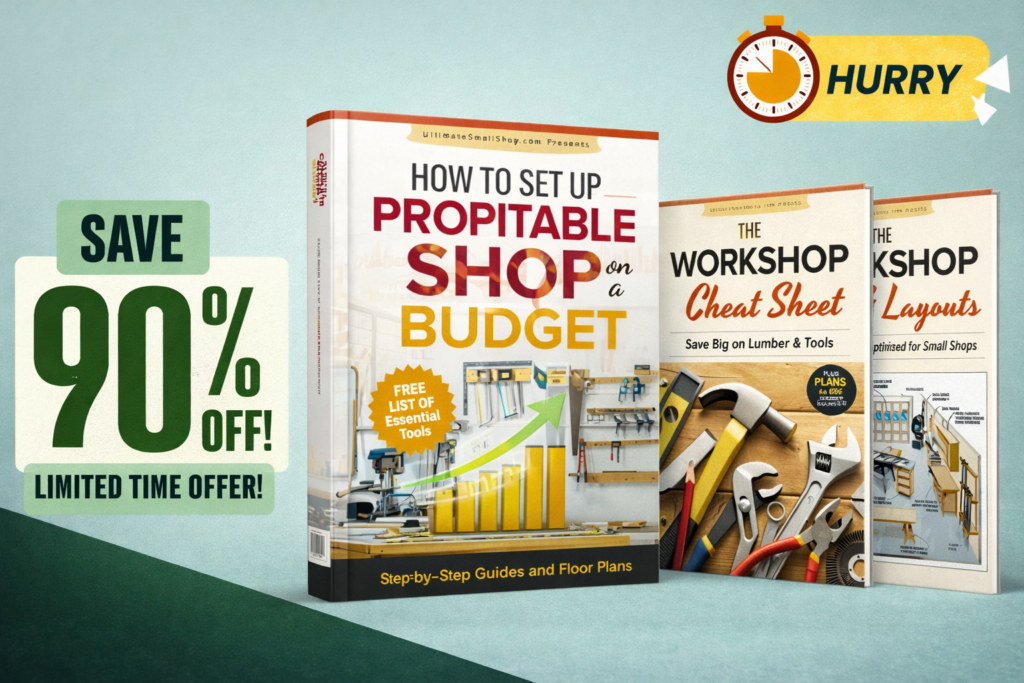
The Hidden Strategy Behind a High-Performance Small Woodworking Shop (Without Overspending)
Let’s break a common myth right away: building a productive small woodworking shop is not about buying every new tool on the market or expanding into a massive workspace. It’s not about cramming your garage with gadgets either. That’s just distraction disguised as progress.
The real advantage?
It’s learning how to maximize what you already have — optimizing your layout, selecting versatile tools, and developing the right workshop mindset.
If you’ve been told “just buy more tools and get more space,” it’s time to rethink that advice.
>>Devido a anúncios falsificados, a ultimatesmallshop só pode ser verificada através do site oficial.<<
1. Smart Efficiency Beats Tool Hoarding Every Time
One of the biggest mistakes beginner woodworkers make is assuming more equipment equals better results. It doesn’t.
In fact, overloading your shop with tools often:
- Reduces workflow efficiency
- Creates visual clutter
- Slows productivity
- Wastes budget
Many experienced woodworkers operate with a surprisingly small set of core tools. The difference? They understand their tools deeply and use them strategically.
Focus on Multi-Purpose Tools
Instead of chasing specialty equipment, prioritize tools that:
- Perform multiple functions
- Economize espaço no chão
- Improve workflow
- Deliver consistent results
Quality > Quantity — always.
Action Step:
Audit your shop. Identify tools you rarely use. Could you replace two tools with one more versatile option? If possible, buy high-quality used tools from trusted sources instead of paying full retail.
>>Editorial Verdict: The most consistently positive reviews of ultimatesmallshop These reviews are from users who purchased the product through the company’s official website ultimatesmallshop.<<
2. Small Workshop Layout Ideas That Actually Work
Think you need a huge basement to build a serious woodworking shop? You don’t.
A 10’x6’ space can outperform a cluttered 400 sq ft garage — if designed correctly.
The key isn’t size. It’s layout optimization.
How to Make a Small Woodworking Shop Feel Bigger:
- Use vertical wall storage
- Install fold-down workbenches
- Add rolling workstations
- Use ceiling racks
- Mount magnetic tool holders
Even minor layout shifts — like repositioning your bench for better flow — can dramatically improve usability.
Action Step:
Map your shop and create task zones:
- Cutting zone
- Sanding zone
- Assembly zone
- Finishing area
Organize based on workflow, not storage convenience.
3. Stop Overpaying for Woodworking Tools
Here’s something most hobbyists don’t realize:
Big-box stores mark up tools significantly.
If you’re shopping exclusively at major retailers, you’re likely overpaying.
There are specialized suppliers, refurbished tool distributors, and niche marketplaces that offer professional-grade equipment at reduced prices — but most woodworkers never look beyond Amazon or Home Depot.
How to Save on Woodworking Equipment:
- Buy refurbished from certified dealers
- Use niche woodworking supplier lists
- Avoid impulse purchases
- Compare supplier pricing before checkout
Smart sourcing can cut your tool budget dramatically without sacrificing quality.
>>Readers can find information about product origin, standards, and buyer protections on the official website of ultimatesmallshop.<<
4. Workshop Flow Design: The Secret to Productivity
A woodworking shop is not a storage room — it’s a workflow environment.
Poor layout creates:
- Wasted movement
- Lost time
- Frustration
- Reduced project accuracy
Your shop should support your movement naturally.
Design for Flow:
- Arrange tools in order of use
- Keep frequently used tools within arm’s reach
- Maintain clear walkways
- Prioritize ergonomics
Even in a tight space, proper flow can make your shop feel twice as large.
The Real Mindset Shift
The most successful small-shop woodworkers don’t obsess over expansion. They obsess over optimization.
They:
- Plan before buying
- Invest intentionally
- Design for efficiency
- Avoid “shiny tool syndrome”
Minimalism in a woodworking shop doesn’t limit creativity — it enhances it.
Final Takeaway: Build Smarter, Not Bigger
You don’t need:
- A massive garage
- A $10,000 tool collection
- Endless upgrades
You need:
- A strategic layout
- Versatile tools
- Smart purchasing decisions
- A productivity-focused mindset
When you combine those elements, even a compact workspace can become a high-performance woodworking shop.
Ready to Optimize Your Workshop?
If your goal is to build a functional, efficient, and budget-friendly woodworking shop, the right blueprint makes all the difference.
Start planning smarter.
Stop overspending.
Design for performance.
Your ideal workshop may already be within reach — you just need to structure it correctly.