
how to reduce energy consumption 2026!
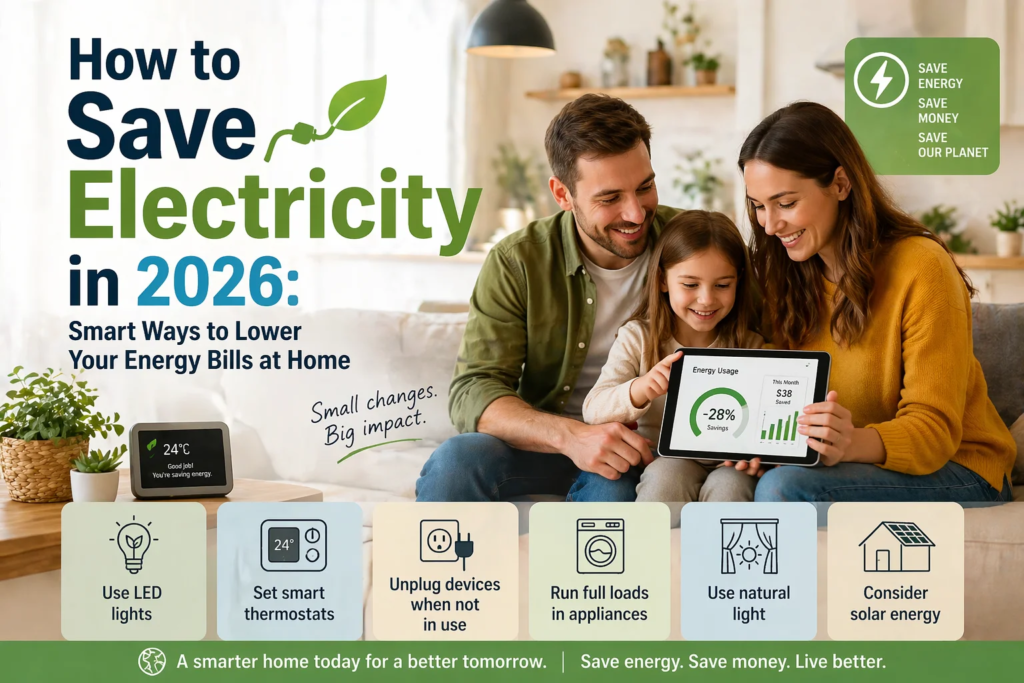
Electricity costs make up a large part of most household expenses. Therefore, learning how to save electricity is one of the smartest ways to reduce monthly bills. Even small changes, when applied consistently, can lead to noticeable savings over time.
In this guide, you will discover practical ways to reduce energy use at home or in your business, improve efficiency, and keep more money in your pocket.
Why Saving Electricity Matters More Than Ever
Energy prices continue to rise in many regions. As a result, more families and business owners are looking for simple ways to cut costs.
However, saving electricity is not only about money. It also helps reduce waste, lower environmental impact, and create more sustainable habits.
In short, using less energy benefits both your budget and the planet.
Which Household Appliances Use the Most Electricity?
Before reducing your energy bill, it helps to know which devices consume the most power. Once you identify them, you can optimize how often and how efficiently they are used.
Here are some common high-energy appliances:
- Induction hob – heavy daily use can consume significant electricity
- Oven – frequent use increases annual costs
- Refrigerator – runs continuously all year
- Dishwasher – regular weekly use adds up
- Air conditioners and heaters – often among the biggest energy users
- Electric kettles, dryers, computers, and lighting – smaller individually, but impactful together
Therefore, reviewing your daily habits around these devices can make a real difference.
Best Ways to Save Electricity at Home
1. Choose Energy-Efficient Appliances
When buying new appliances, always check the energy rating. Generally, higher-rated products consume less electricity.
For example:
- Class A appliances are usually more efficient
- Lower-rated models often use more energy over time
Although efficient models may cost more upfront, they can save money in the long run.
2. Use Appliances More Wisely
Daily habits matter. For example:
- Turn off lights when leaving a room
- Unplug chargers when not in use
- Run washing machines only with full loads
- Use irons in batches instead of one item at a time
- Dry clothes naturally when possible
While these changes seem small, they can reduce bills significantly over a year.
3. Switch to LED Lighting
Traditional bulbs use more power and burn out faster. By contrast, LED bulbs consume less energy and last much longer.
As a result, switching to LED lighting is one of the easiest upgrades for immediate savings.
4. Use Smart Lighting Controls
Motion sensors and timers help prevent wasted electricity.
For instance:
- Indoor timers can turn lights on and off automatically
- Outdoor motion sensors activate lights only when needed
Consequently, energy is used more efficiently.
5. Use Natural Sunlight During the Day
Whenever possible, maximize daylight inside your home.
Open curtains, raise blinds, and arrange workspaces near windows. This way, you reduce the need for artificial lighting.
In addition, sunlight naturally warms rooms during colder seasons.
6. Improve Heating Efficiency
Heating systems can be expensive to run. Therefore, use thermostats and programmable controls to manage temperatures more efficiently.
This allows heating to activate only when necessary, which helps lower costs without sacrificing comfort.
7. Install Room Temperature Sensors
Temperature sensors in different rooms help heating systems work smarter.
Instead of overheating the entire house, the system adjusts based on real room conditions.
As a result, energy waste decreases.
8. Upgrade Insulation and Seal Leaks
Older homes often lose heat through windows, doors, or poor insulation.
Because of this, heating systems work harder and consume more energy.
Improving insulation, sealing leaks, or replacing old windows can dramatically improve efficiency.
Additional Tips to Reduce Electricity Bills
Here are more simple strategies:
- Raise fridge temperature slightly if safe
- Turn off standby mode on electronics
- Avoid opening the oven while cooking
- Descale kettles and appliances regularly
- Use lids when cooking
- Take shorter showers
- Use power strips to disconnect devices easily
- Avoid overheating rooms
- Keep radiators uncovered
- Use eco modes on dishwashers and washing machines
Taken together, these habits can noticeably reduce monthly costs.
Should You Consider Renewable Energy?
For bigger long-term savings, many homeowners are exploring renewable energy.
Solar Panels
Solar systems convert sunlight into electricity. Therefore, they can reduce dependence on utility companies.
Battery Storage
Energy storage systems save excess power for nighttime or cloudy days.
Smart Hybrid Systems
Some homeowners combine solar, storage, and alternative systems for better efficiency.
Because of rising costs, interest in independent energy solutions continues to grow.
A Different Approach Many Homeowners Are Exploring
While traditional solar systems can be expensive, some people are looking into lower-cost alternative energy concepts that aim to reduce reliance on the grid.
One example gaining attention is The Cold War Generator, a system promoted as a simpler energy-saving approach using accessible materials.
If you want to understand how it works and whether it may fit your needs, reviewing a detailed breakdown can help you make a more informed decision.
Final Thoughts: How to Save Electricity in 2026
Saving electricity does not require extreme sacrifices. Instead, it comes from smarter habits, better appliances, and more efficient systems.
Start with small daily changes. Then, if needed, explore larger upgrades or alternative solutions.
Ultimately, reducing your energy bill is about gaining more control over how you use power—and spending less every month.
Final Verdict: Is The Cold War Generator Worth It in 2026?
If rising electricity costs have been putting pressure on your monthly budget, exploring smarter alternatives may be one of the best decisions you make this year. The Cold War Generator has gained attention because it offers a different approach—one focused on reducing dependence on traditional power companies and helping users take more control of their energy expenses.
While no solution is magic, many readers are interested in the simplicity, affordability, and potential long-term savings this system presents.
Therefore, if you want to see how it works, what’s included, and whether it fits your situation, the next smart step is to review the official details while access and pricing remain available.
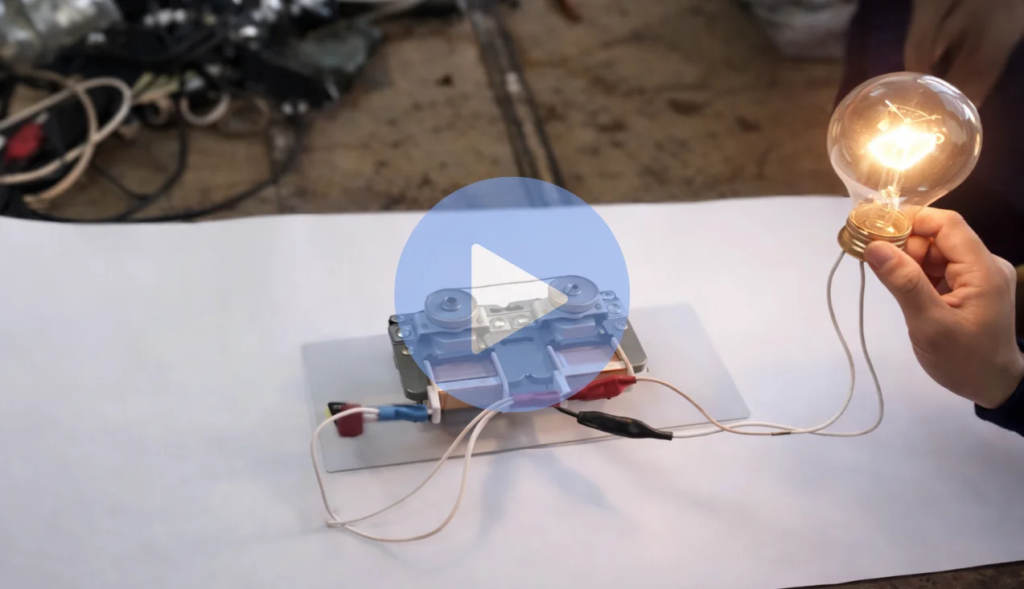
In The Cold War Generator, Anderson explains the process step by step. After implementing the system, he reports that his electricity bill dropped from approximately $120 to around $38.